Why Train in Dauin, Philippines? The Muck Diving Capital of the World
When people hear “Philippines diving,” they often think of Tubbataha, Palawan, or the famous Tumalog Falls. But for serious divers — and for instructors in training — Dauin, in Negros Oriental, is in a category of its own. This small coastal town on the western shores of Negros Island has quietly become one of the most respected dive destinations on the planet, and SeaExplorers Philippines is at the centre of it.
Running my IDC here isn’t just a logistical choice. It’s a deliberate decision about the environment I want to immerse my candidates in. Let me explain why.
- 🌡️ 27–30°C — Water temperature year-round
- 👁️ 15–25m — Typical visibility
- 🐠 500+ — Fish species in the Visayan Sea
- 🤿 30+ — Dive sites within 30 minutes
What Is Muck Diving — and Why Does It Matter for an IDC?
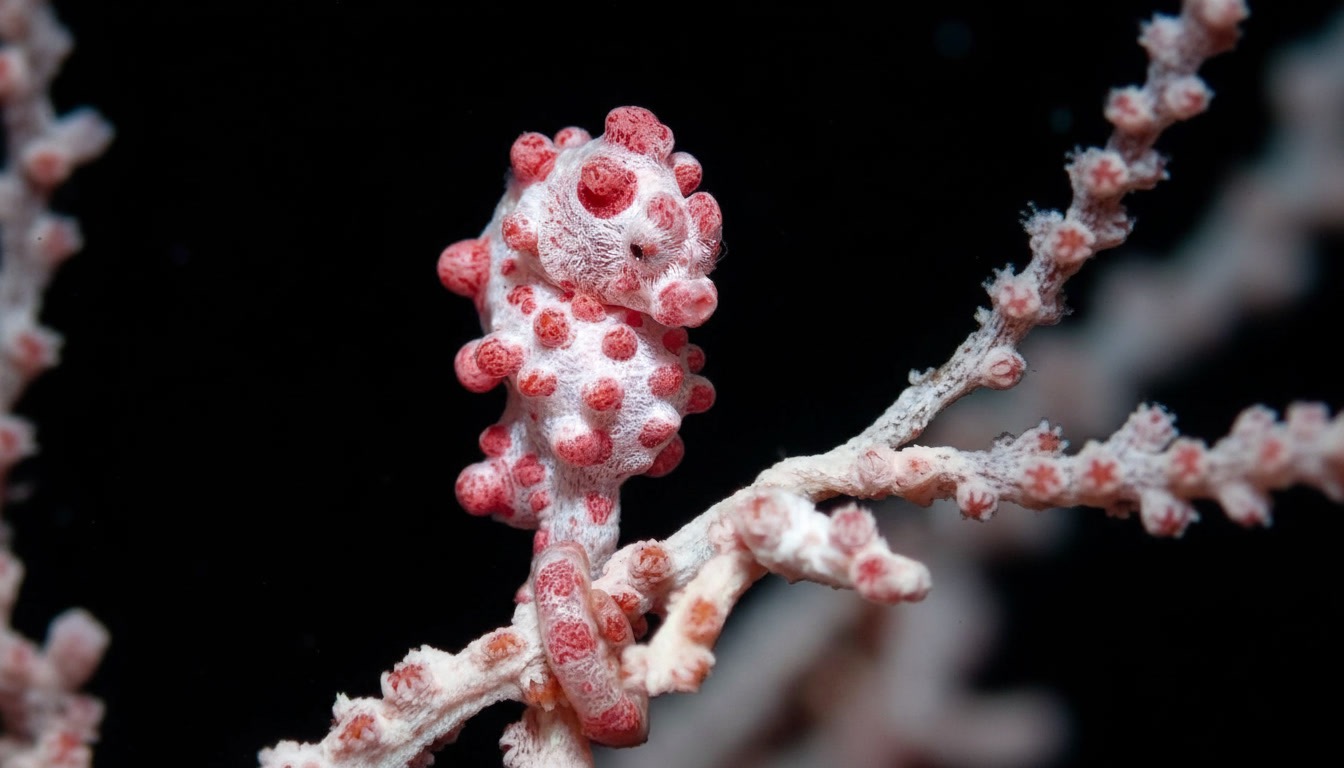
Muck diving is the art of diving in sandy, silty, or volcanic substrates in search of macro life — the tiny, bizarre, and spectacularly camouflaged creatures that live there. Dauin sits on the volcanic slopes of Mount Talinis, and its dive sites are famous worldwide for the sheer density and variety of unusual marine life found in the black sand: mimic octopuses, flamboyant cuttlefish, blue-ringed octopuses, frogfishes, sea horses, rhinopias, ghost pipefish, and dozens of nudibranch species that seem to compete with each other for impossible beauty.
For an IDC candidate, this is genuinely valuable. Muck diving demands precise buoyancy control — perhaps more than any other diving environment. You cannot hover carelessly above the substrate and hope to see anything. You must be neutrally buoyant, horizontal, and still. That standard of buoyancy is exactly what PADI expects of its instructors, and Dauin enforces it naturally.
“I’ve seen candidates achieve in two days of muck diving what would have taken a week in a less demanding environment. The life in the water demands that you refine yourself.”
— Dominik Weckherlin
SeaExplorers Philippines: The Facility
SeaExplorers is a PADI 5-Star IDC dive centre — one of the most established operations in the region. The facility combines professional infrastructure with a genuinely welcoming atmosphere. Equipment is well-maintained and modern. The briefing and classroom spaces are purpose-built for training. The dive boats are solid and the logistics are well-organised, which matters enormously when you’re running training dives to a precise schedule.
The team at SeaExplorers understands what IDC training requires. We’ve built a working relationship that supports the quality of instruction I expect to deliver. That foundation — a professional facility, great dive sites, and a supportive team — is what makes Dauin work as an IDC location, not just a beautiful place to dive.
The Diving Environment as a Teaching Tool
One thing I always emphasise to IDC candidates is that the environment where you train will shape the instructor you become. Train in mediocre conditions and you’ll develop mediocre standards. Train in an environment that demands precision and rewards attention to detail, and those qualities become part of how you dive — and how you teach.
Dauin’s dive sites are also extraordinarily diverse within a short radius. In a single week of open water training, candidates can dive volcanic black sand muck sites, coral gardens, walls, and even the wreck of a small vessel in shallow water. That variety gives IDC candidates exposure to the full range of conditions they might eventually teach in, wherever their career takes them.
Life Outside the Water
The IDC is an intensive programme. Downtime matters. Dauin offers the right balance: calm enough to recover and focus, interesting enough to make the experience memorable. The local food is excellent — Filipino cuisine is underrated and the fresh seafood in Dauin particularly so. Accommodation options range from simple guesthouses to comfortable dive resorts, all within walking distance of the water.
Dumaguete, the nearest city (20 minutes away), provides everything you might need: banking, markets, a lively food scene, and a university town atmosphere that gives it more energy than most small cities in the region. Many candidates find they genuinely don’t want to leave when the IDC ends.
Getting There
Dauin is accessed via Dumaguete Airport, which has direct connections from Manila (Cebu Pacific, Philippine Airlines) and from Cebu. Journey time from Cebu airport to the dive resort is typically 3–4 hours including the ferry crossing. Visa requirements for most nationalities are straightforward — a free 30-day visa on arrival covers the IDC duration comfortably. Details are in the Info Pack.
If you’re considering the Dauin IDC and want to know more about the specific dates, logistics, accommodation options, or what a typical day looks like at SeaExplorers, download the Info Pack or reach out directly. I’m happy to walk you through everything.